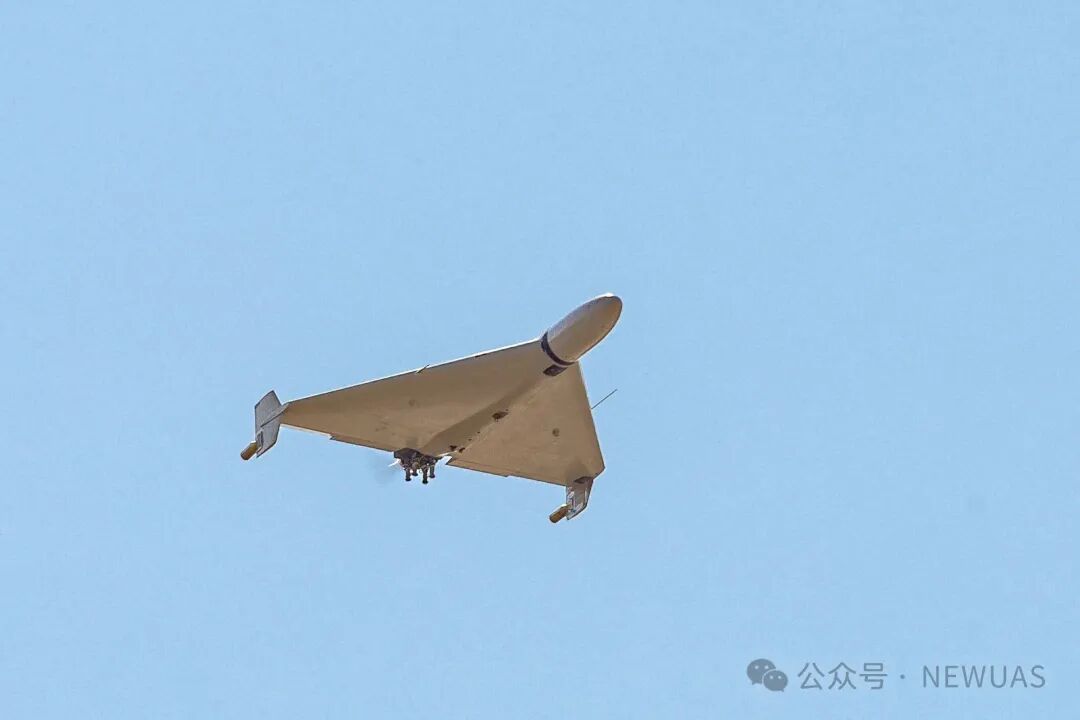
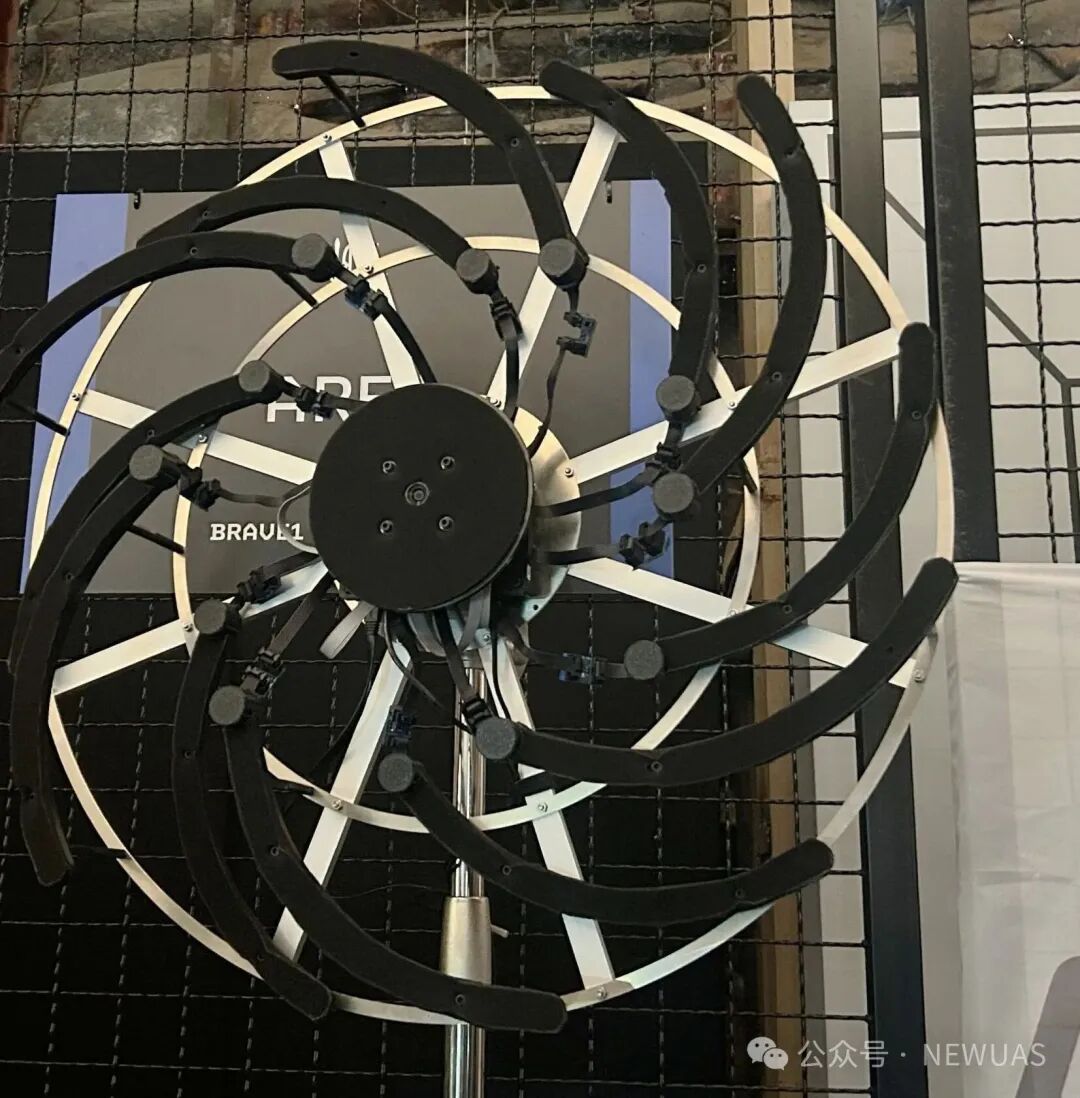
Radar delivers long-range & all-weather monitoring for wide-area security; RF (Radio Frequency) enables covert detection and pilot tracking for drones with communication links; Acoustic Detection features anti-electromagnetic interference, low cost and short-range precision, ideal for low-altitude, complex electromagnetic and urban environments as a critical close-range solution.
| Technology | Core Principle | Detection Range | Target Application | Key Advantages | Main Limitations |
|---|---|---|---|---|---|
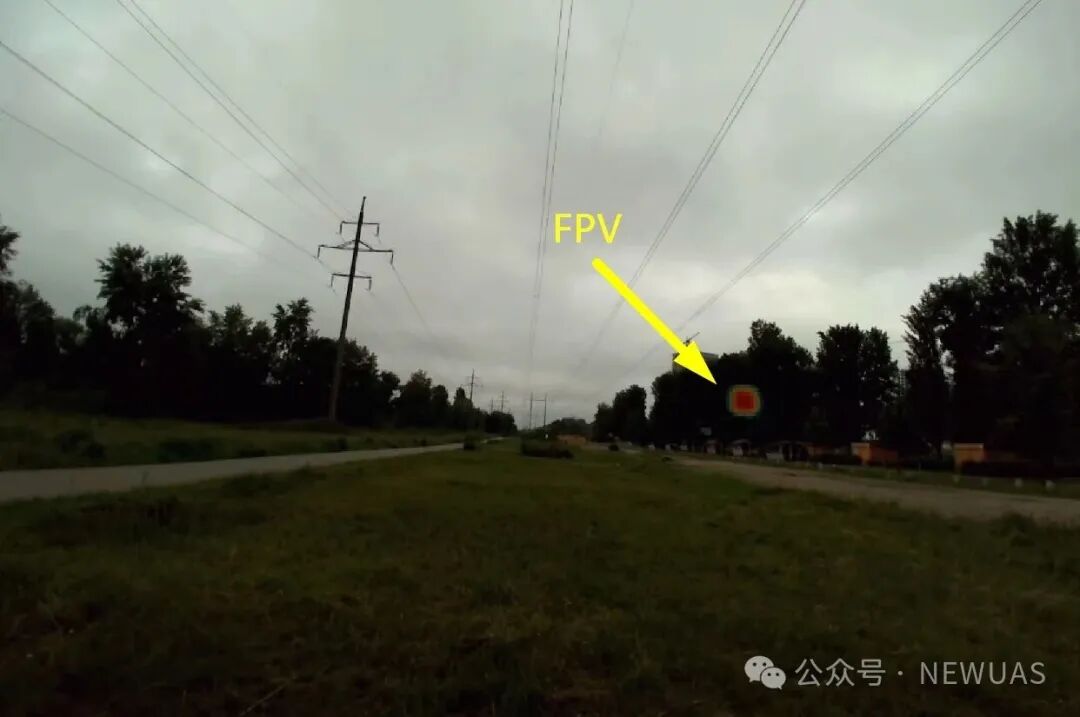
| Radar | Emits electromagnetic waves, calculates distance, speed and direction via echo delay & Doppler shift | Several km (3-5km) | Large drones, standard aerial drones | All-weather, full coverage, accurate ranging & speed measurement | Poor performance on small RCS targets (FPV drones); high cost; easy to miss low-altitude hovering targets |
| RF (Radio Frequency) | Captures drone remote control & video transmission signals, analyzes features and locates targets | Hundreds of meters to 2km | Consumer drones with remote control / video signals | Passive & covert; identifies drone model & pilot; early warning beyond visual range | Fails on autonomous / encrypted communication drones; vulnerable to electromagnetic interference |
| Acoustic Detection | Multi-microphone array TDOA + acoustic fingerprint recognition & localization | 300-500m, 2-5km in networked mode | FPV drones, low-altitude small UAVs | Anti-EMI, low cost, high precision at low altitude, distinguishes birds & insects | Affected by environmental noise & wind; limited range; degraded performance in severe weather |
1. Radar: Suitable for wide-area surveillance (airports, borders). Stable for large drones but difficult to detect small FPV drones with low RCS, high missing rate.
2. RF: Works for standard drones with remote links. Cannot detect autonomous FPV drones without signals.
3. Acoustic Detection: Critical supplement for low-altitude, short-range and complex environments. FPV drones have unique acoustic signatures, enabling accurate recognition even in urban noise and EMI environments.
Completely independent of electromagnetic signals. Works stably in electromagnetic silence, complex EMI areas and electronic jamming environments, providing reliable support when radar and RF fail.
FPV drones have unique rotor and motor acoustic fingerprints, effectively filtering out birds and vehicles. Low false alarm rate and better performance than radar for small low-altitude targets.
Based on microphone arrays, cost is only 10% of radar. Supports vehicle-mounted, fixed and portable deployment for large-scale networking and fast implementation.
Only receives signals without transmission, no position exposure and no interference to nearby electronic equipment, perfect for sensitive areas and urban security.
Radar: Solves long-range, wide-area "target existence" problems;
RF: Solves "who is controlling and where the signal comes from" problems;
Acoustic Detection: Solves precise recognition of small low-altitude targets in complex environments, serving as a key technology for close-range FPV drone detection.


